For many of us, the arcade is a temple of nostalgia. The cacophony of beeps and bloops, the glow of CRT screens, the satisfying clatter of a token dispenser—these are the sounds of our youth. But here’s a secret: the arcade isn’t dead. It’s evolving. Starting an arcade games center today isn’t just about reliving the past; it’s about tapping into a thriving market that blends retro charm with modern social entertainment. If you’re ready to press “start” on this exciting venture, here’s your strategy guide.
1.Concept & Market Research: Define Your “Game” You can’t just buy a bunch of games and hope for the best. The most successful arcades have a clear identity. Are you a “Retro Cave,” focused purely on 80s and 90s classics like Pac-Man and Street Fighter II? Or are you a “Modern Social Hub,” featuring the latest rhythm games, racing simulators, and prize-redemption counters? Perhaps a hybrid model works best.
Action Step: Get out of the house! Conduct market research. Who is your competition? Are there family entertainment centers (FECs) nearby? What are they missing? Survey your potential customers. Would they come for date night, birthday parties, or a casual after-work drink with friends? Understanding your local demographic is your first high score.
2.The Business Blueprint: Your Business Plan This is the unsexy but absolutely critical level. A solid business plan is your roadmap to success and is essential for securing funding. It should detail:
Executive Summary: The elevator pitch for your business. Market Analysis: What you learned from your research. Financial Projections: Startup costs, operating expenses, and revenue forecasts. Be brutally realistic. How many customers do you need per day to break even? Funding: Will you use personal savings, take a small business loan, or seek investors? Marketing Strategy: How you’ll attract your first players (more on this later).
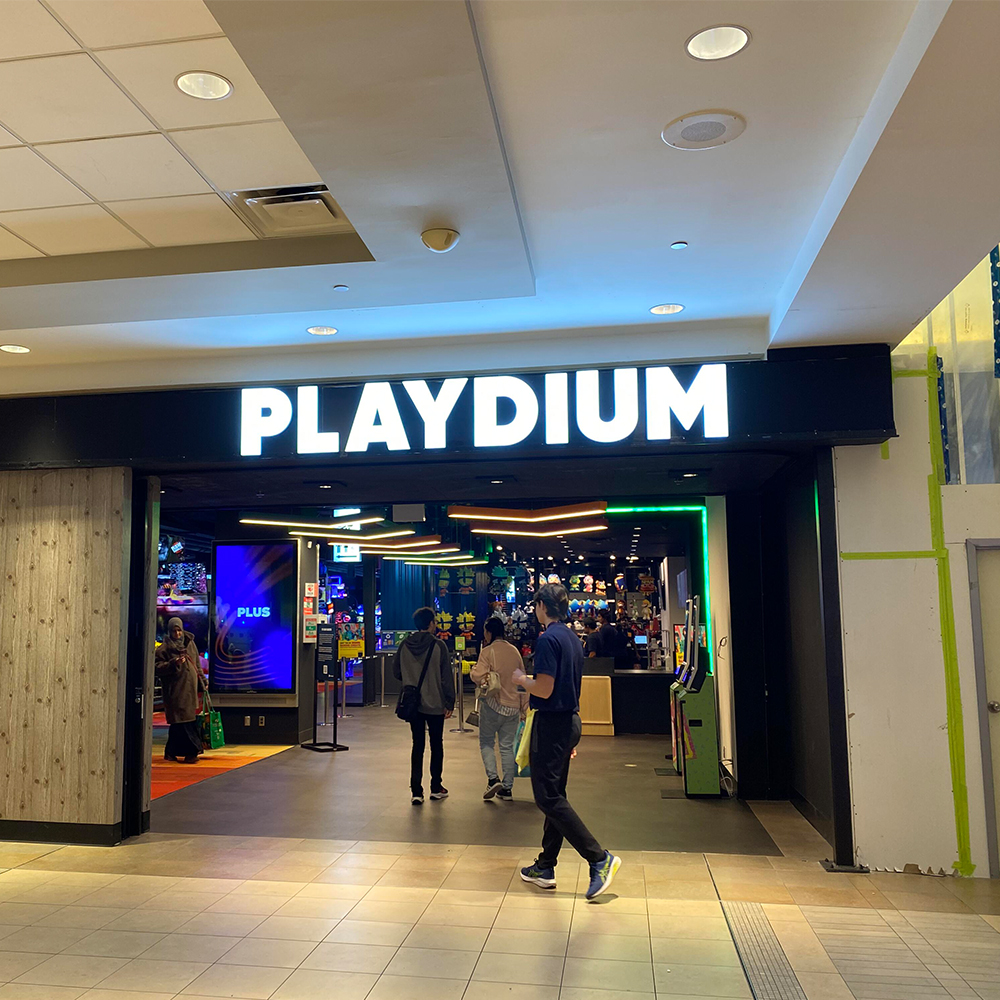
3.Location, Location, Location: Your High Score Depends On It In the arcade business, visibility and accessibility are everything. A great location in a low-traffic area is a game over. Look for spaces in:
Shopping Malls: High foot traffic, but租金 (zū jīn – rent) can be high. Entertainment Districts: Near movie theaters, bowling alleys, and restaurants. Downtown Areas: Attracts a young adult crowd looking for nightlife. Ensure there’s ample, safe parking. The space should be easily accessible and inviting from the outside.
4.Legal & Financial Setup: The Rulebook Before you plug in a single machine, you need to handle the paperwork. This varies by country and state, but generally includes:
Business Structure: Register as an LLC (Limited Liability Company) or corporation to protect your personal assets. Licenses & Permits: You’ll need a general business license, and possibly specific permits for amusement machines. If you serve food or alcohol, that’s a whole other set of licenses. Insurance: General liability insurance is non-negotiable. You’re inviting the public into a space with expensive, electrical equipment. Pro Tip: Hire a local business attorney or accountant. The upfront cost is worth the peace of mind.
5.Sourcing the Games: Building Your Arsenal This is the fun part. Your game mix is your product. Balance is key.
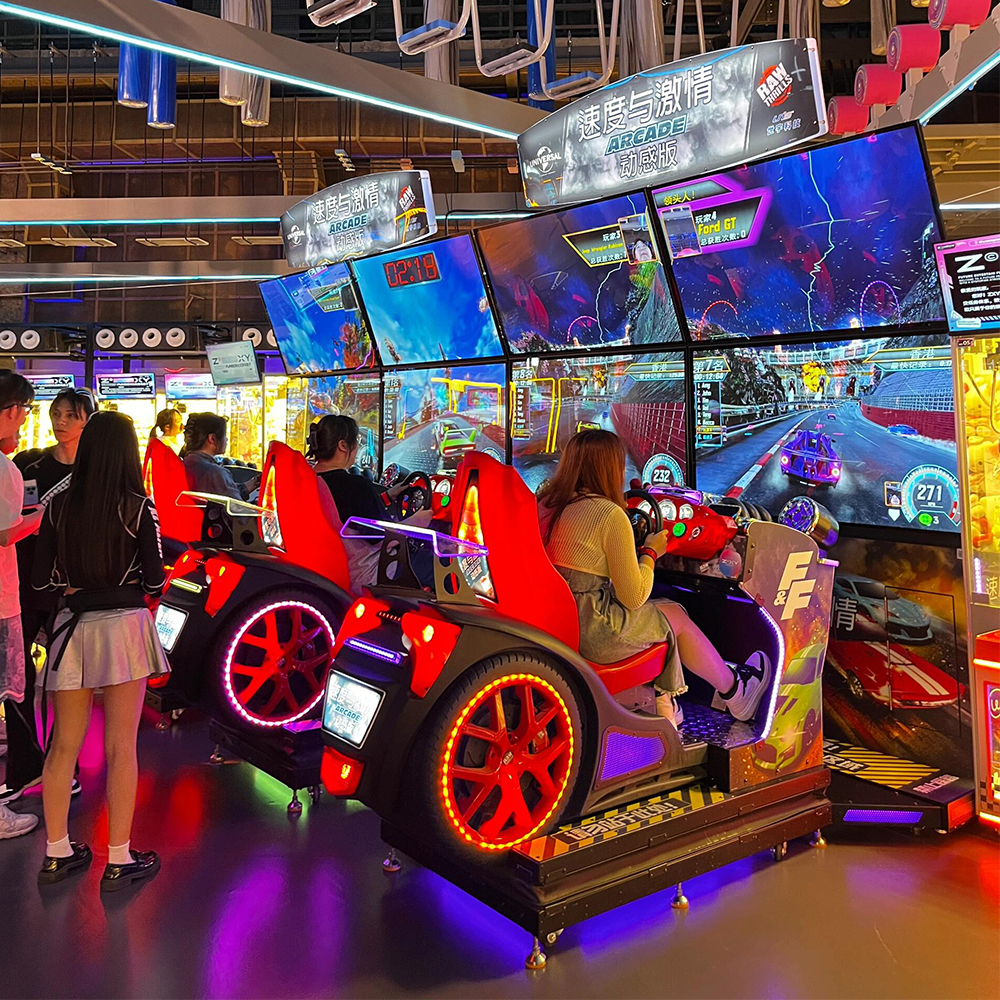
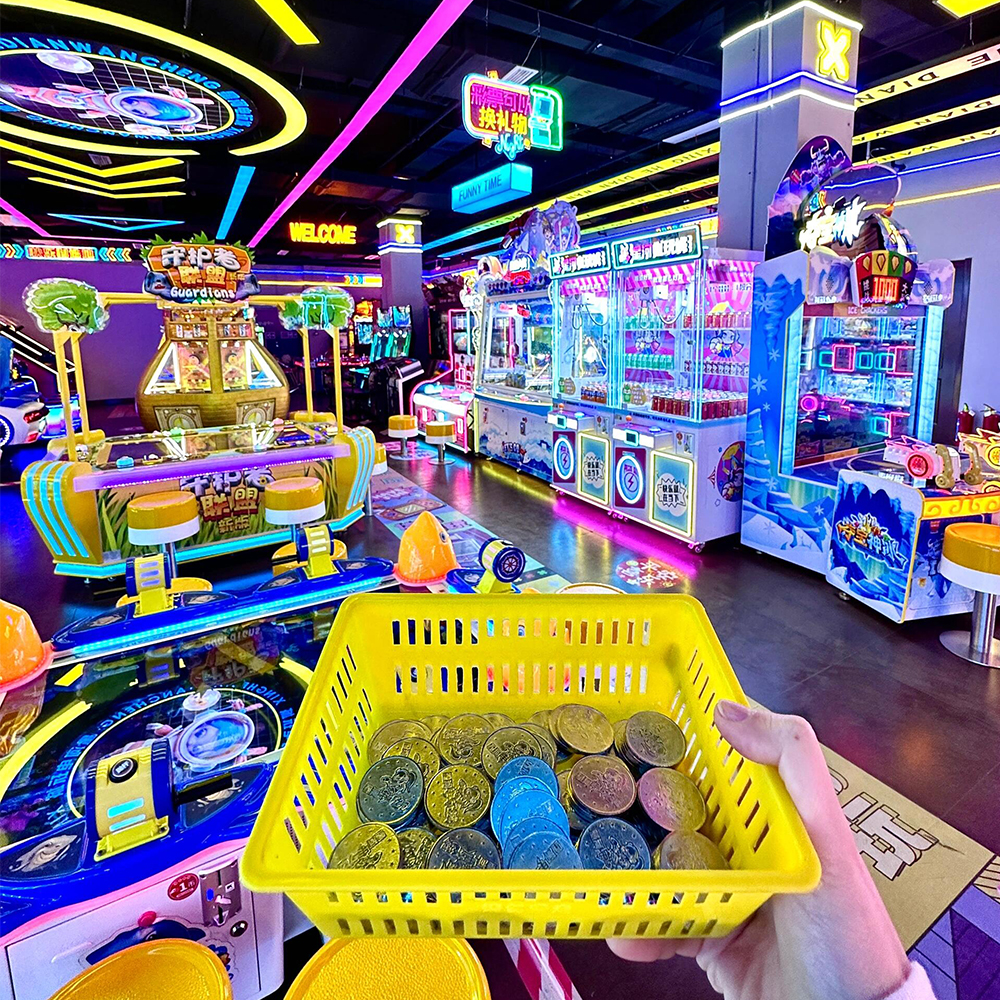
Retro Classics: Source from specialized dealers, online auctions, or collectors. Machines like Donkey Kong and Ms. Pac-Man are timeless but require more maintenance. Modern Cabinets: Companies like Raw Thrills and Bandai Namco produce new cabinets for games like Mario Kart Arcade GP DX and Tekken 7. They are more reliable but come with a higher price tag. Prize Redemption Games: Skee-Ball, claw machines, and ticket-dispensing games are huge revenue drivers, especially for families. Supporting Cast: Consider adding pinball machines, air hockey tables, or even VR stations to diversify your offerings. Don’t forget the infrastructure: reliable power, strong internet for modern games, and a robust POS (Point of Sale) system.
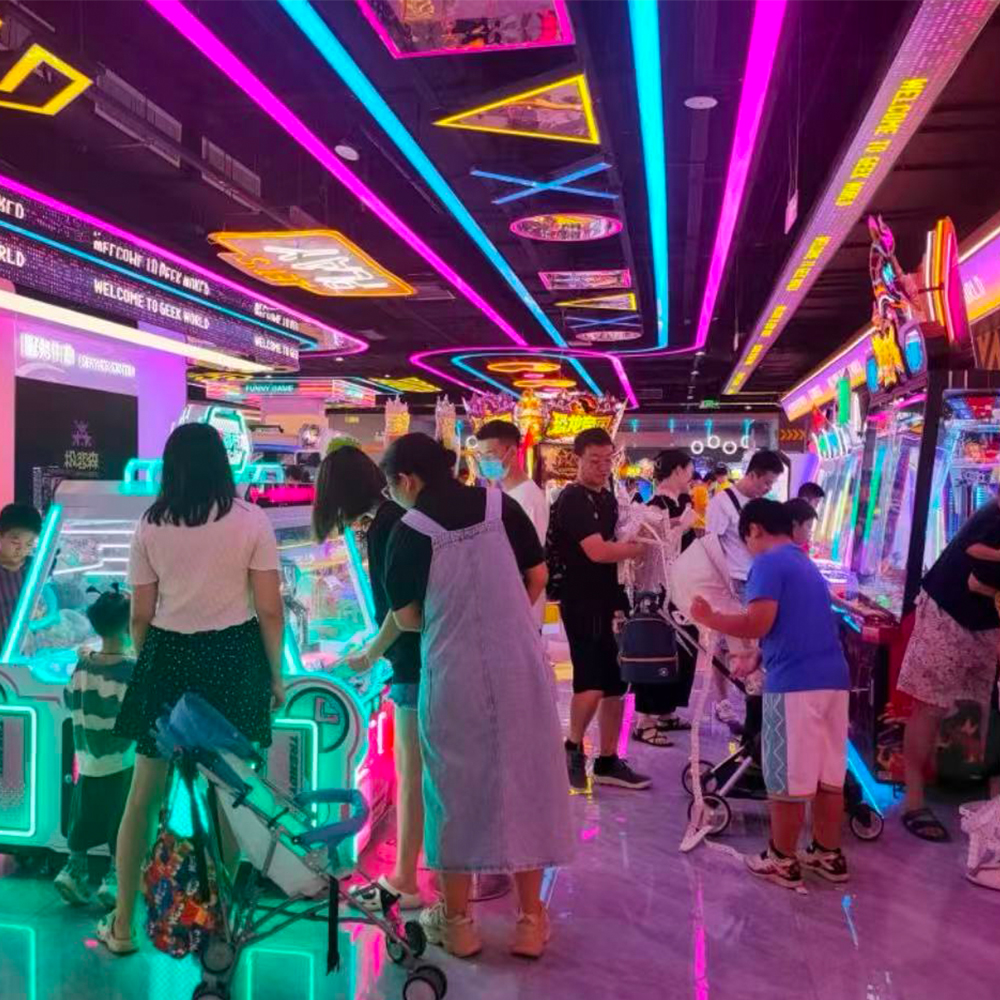
6.Creating the Vibe: Atmosphere is Everything An arcade is an experience. The decor, lighting, and music are just as important as the games.
Lighting: Use blacklights and neon to create a vibrant, energetic glow. Ensure game screens are clearly visible. Sound: The soundtrack of beeps and classic game tunes is essential, but manage the overall noise level so it’s energizing, not overwhelming. Layout: Create clear aisles. Group similar games together. Designate a comfortable seating area for parents or groups. F&B (Food & Beverage): This is a major profit center. Even a simple offering of sodas, craft beers, pizza, and snacks can significantly boost your average revenue per customer. 7.The Launch & Marketing: Insert Coin to Begin You’ve built it; now make sure they come.
Grand Opening: Host a launch event with discounted play, contests, and local media invites. Social Media Mastery: This is your most powerful tool. Use Instagram and TikTok to showcase your coolest games and the fun, social atmosphere. Run targeted ads to people in your area interested in “video games,” “birthday parties,” and “nightlife.” Community Building: Host tournaments for popular fighting or rhythm games. Offer league play. Partner with local schools and businesses for fundraising nights. Loyalty Programs: Implement a membership or loyalty card system that rewards frequent visitors with free plays or discounts.
Conclusion Starting an arcade games center is a challenging but incredibly rewarding business. It’s not just about the games; it’s about creating a community space where people can disconnect from their screens and connect with each other through shared, fun experiences. By blending strategic business sense with a passion for play, you can build a modern arcade that isn’t just a blast from the past, but a profitable and beloved local destination for years to come.