Opening a gaming arcade in a foreign country can be an exciting and profitable venture, but it requires careful planning, cultural awareness, and a solid business strategy. Unlike traditional businesses, arcades thrive on entertainment value, customer engagement, and staying ahead of gaming trends.
In this guide, we’ll explore key strategies for launching and running a successful gaming arcade overseas, from market research to customer retention.
1. Market Research: Know Your Audience Before investing in an arcade, you need to understand the gaming culture in your target country.
A.Local Gaming Preferences
-Japan & South Korea: Arcades are still thriving, with a strong focus on rhythm games (e.g., Dance Dance Revolution), fighting games (“Street Fighter”), and claw machines.
– USA & Europe: Retro arcades and VR gaming are popular, with a mix of competitive eSports and casual gaming.
– Middle East & Southeast Asia: Family-friendly arcades with ticket redemption games are more common.
B. Demographics & Spending Habits
– Are your customers mostly teenagers, young adults, or families?
– How much are they willing to spend per visit?
– Do they prefer pay-per-play or unlimited access models?
C. Competition & Location
– Are there existing arcades nearby? What can you offer that they don’t?
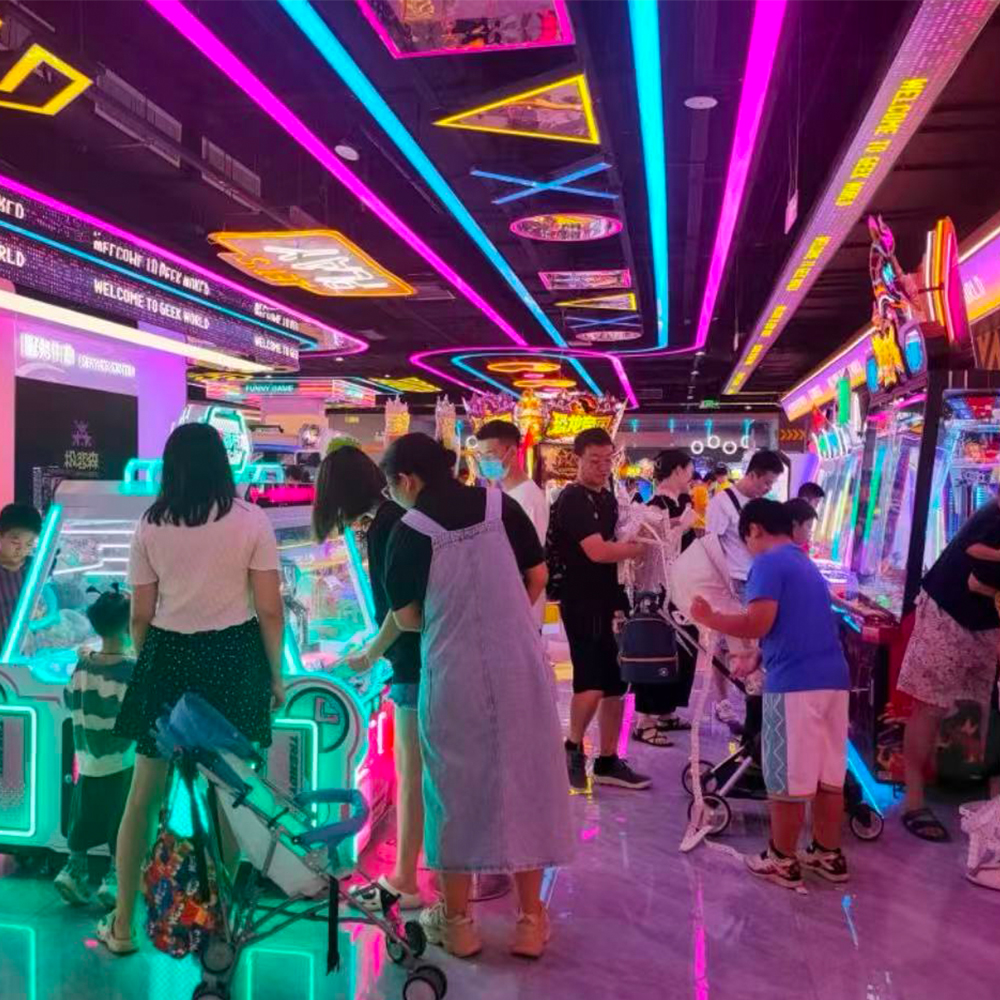
– High foot traffic areas (malls, entertainment districts) are ideal.
2.Business Model & Revenue Streams A. Entry Fee vs. Pay-Per-Play
– Unlimited Play (Time-Based):Charge an hourly or daily rate (good for families and groups).
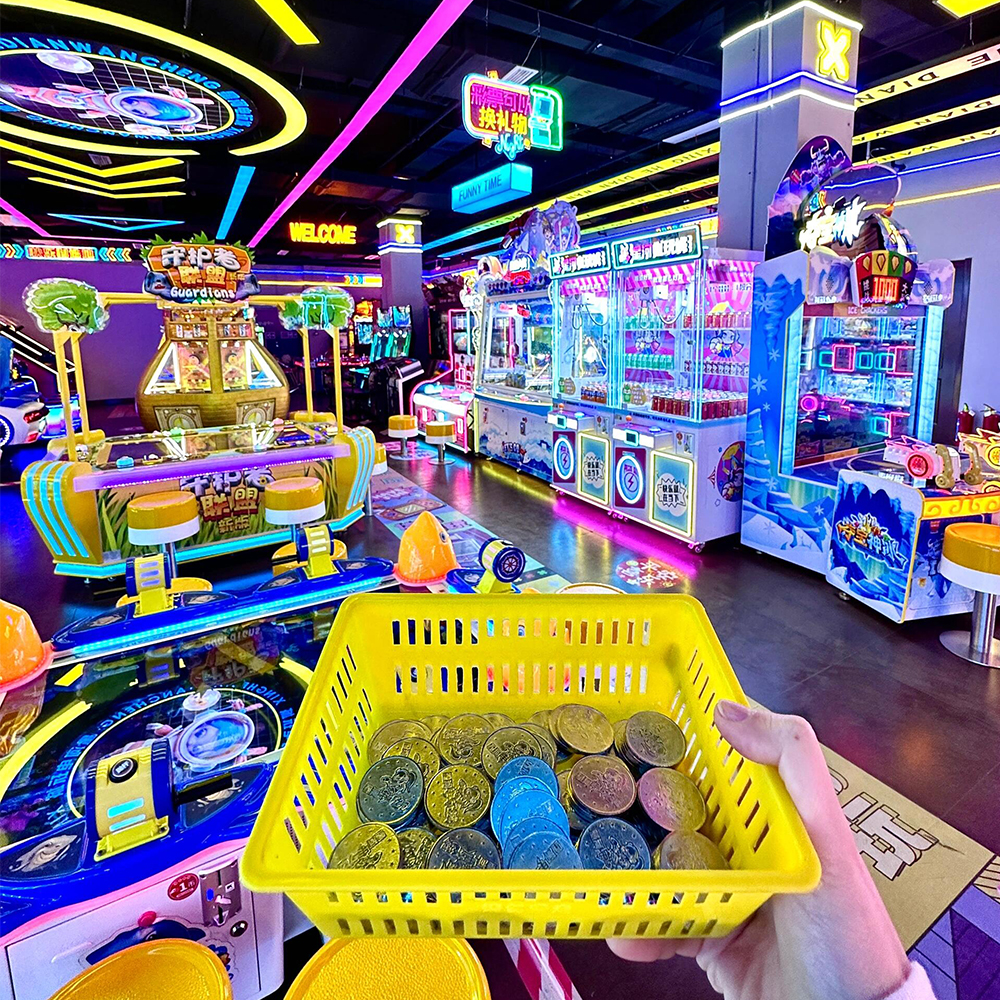
– Token/Coin System: Classic pay-per-play model (works well for competitive gamers).
– Hybrid Model: Offer both options to cater to different customers.
B. Additional Revenue Sources
– Food & Drinks: Snacks, soda, and even themed cocktails (if legally allowed).
– Merchandise:Sell gaming peripherals, T-shirts, or collectibles.
– Tournaments & Events: Charge entry fees for competitions (e.g., fighting game tournaments).
– VR & Premium Experiences:Offer high-end VR setups for an extra fee.
3.Choosing the Right Games & Equipment A. Classic vs. Modern Games
– Retro Arcade Machines:Pac-Man, Street Fighter II, Pinball*—great for nostalgia.
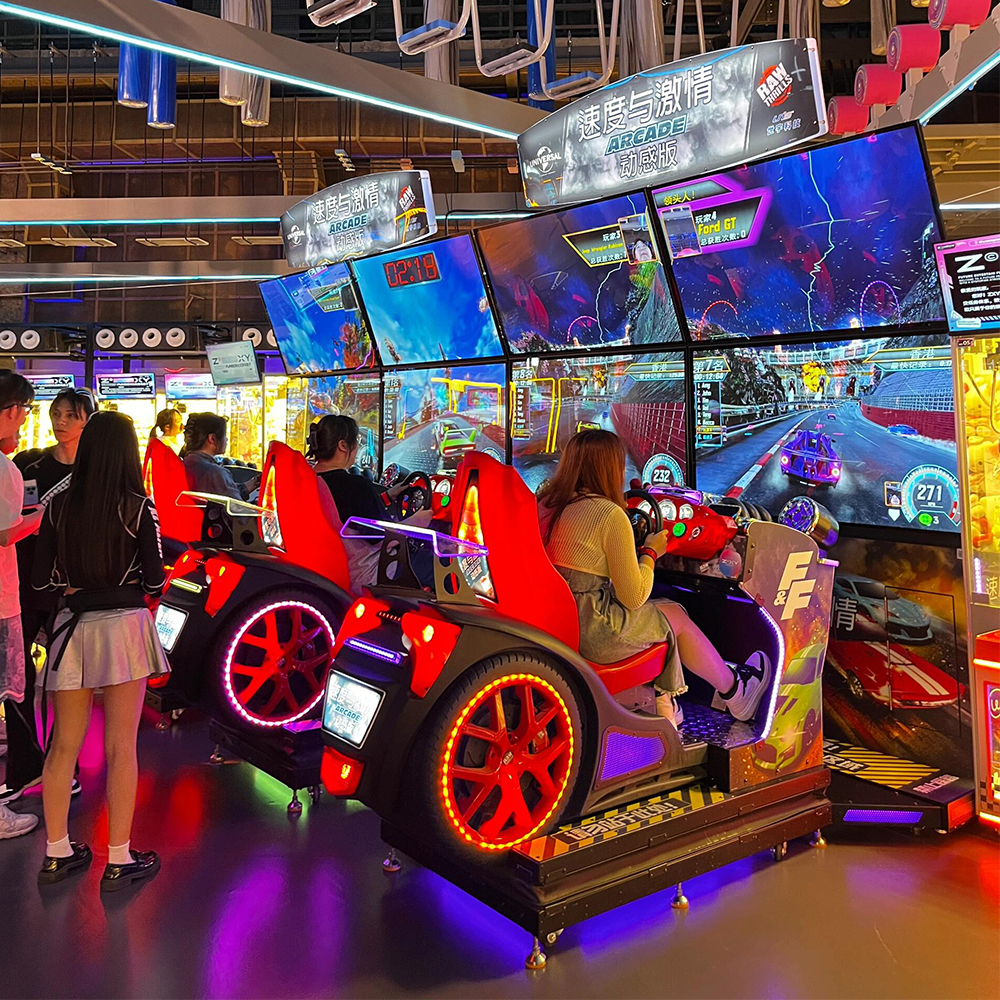
– Modern Arcade Games:Tekken 8, Mario Kart Arcade GP, Time Crisis 5.
– VR & Motion Simulators:Beat Saber, racing simulators, VR escape rooms.
B. Ticket Redemption & Prize Games
– Claw machines, coin pushers, and skill-based prize games attract casual players.
– Ensure prizes are desirable (branded merchandise, gaming gear).
C. Maintenance & Upgrades
– Arcade machines require regular servicing.
– Rotate games seasonally to keep customers engaged.
4.Legal & Financial Considerations A. Licensing & Regulations
– Check local laws on gaming establishments (some countries restrict gambling-like games).
– Obtain necessary business permits and safety certifications.
B. Insurance & Security
– Protect against theft, damage, and liability claims.
– Install surveillance cameras and secure high-value machines.
C. Pricing & Profit Margins
– Calculate break-even points based on rental costs, electricity, and staffing.
– Adjust pricing based on local spending power.
5.Marketing & Customer Retention A. Social Media & Online Presence
– Post gameplay videos, event announcements, and promotions on Instagram, TikTok, and YouTube.
– Partner with local gaming influencers for exposure.
B. Loyalty Programs & Memberships
– Discounts for repeat customers.
– VIP memberships with exclusive perks.
C. Hosting Events & Tournaments
– Weekly gaming competitions with prizes.
– Themed nights (e.g., retro gaming, cosplay events).
6. Staffing & Customer Experience A. Hiring the Right Team
– Friendly, tech-savvy staff who can assist customers.
– Security personnel if operating late-night hours.
B. Creating a Welcoming Atmosphere
– Good lighting, music, and seating areas.
– Clean and well-maintained machines.
Opening a gaming arcade overseas can be highly rewarding if done right. By understanding local gaming culture, choosing the right business model, and keeping customers engaged, you can build a thriving entertainment hub.
Stay updated on gaming trends, listen to customer feedback, and continuously innovate to keep your arcade ahead of the competition.
Are you ready to level up your business?